
Melting Permafrost Is Turning Alaska's Rivers Orange
Language
Reading Level
Listen to Article
Alignment

In the summer of 2019, ecologist Patrick Sullivan traveled to northern Alaska to study forests near the Salmon River. Known for its pristine water, the river supports a thriving population of wildlife, including fish and bears. Instead of the crystal-clear water he had expected, large sections farther down the river appeared bright orange. The riverbanks were also stained with rust-colored sediment.
Curious about the cause, Sullivan collected water samples and ran tests. The results showed unsafe amounts of iron and other metals. The water was also more acidic than usual. Soon, other researchers began reporting similar changes in rivers across northern Alaska. Over time, 72 rivers and streams were observed with similar orange discoloration. Alarmed, Sullivan and his team at the University of Alaska embarked on an extensive study of the Salmon River and nearby waterways.
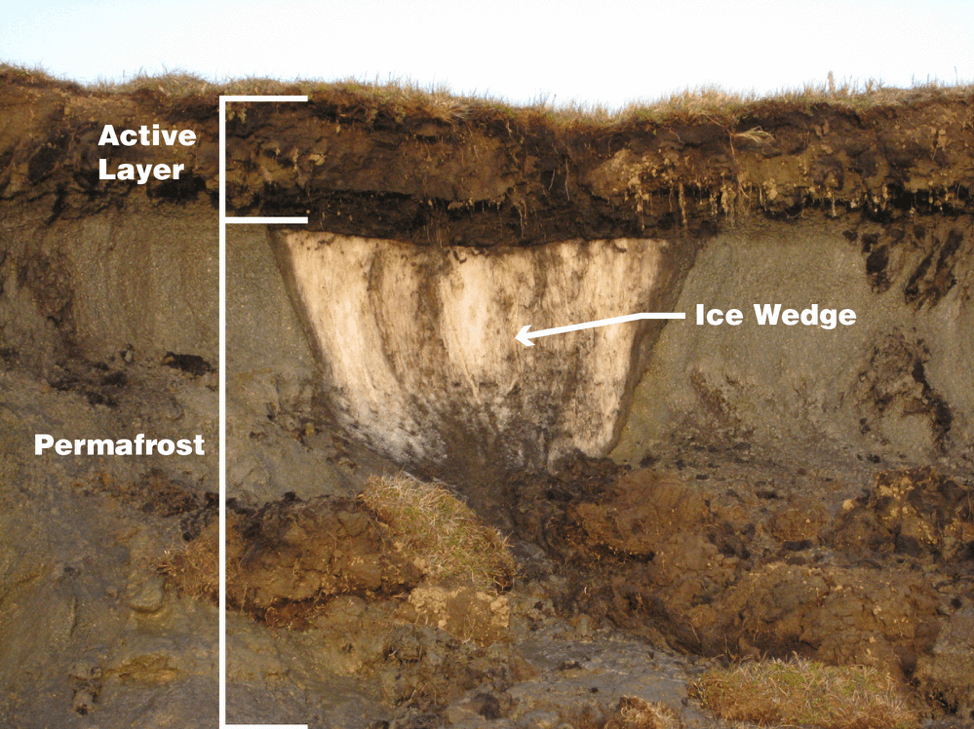
The results were published on September 8, 2025. They revealed that the orange color is caused by melting permafrost. This permanently frozen layer below Earth's surface is made of soil, sand, and rock, held together by ice. In much of Alaska, permafrost can extend hundreds of feet below the surface. However, as temperatures rise due to climate change, the ice is starting to melt.
This is allowing water to flow through, dissolving sulfur-containing minerals that have been trapped for thousands of years. When exposed to air and water, the sulfur reacts to form sulfuric acid. This acid dissolves the surrounding bedrock, releasing metals like iron and aluminum into the river system. In some areas, the water is so acidic and metal-rich that it resembles pollution from mining.
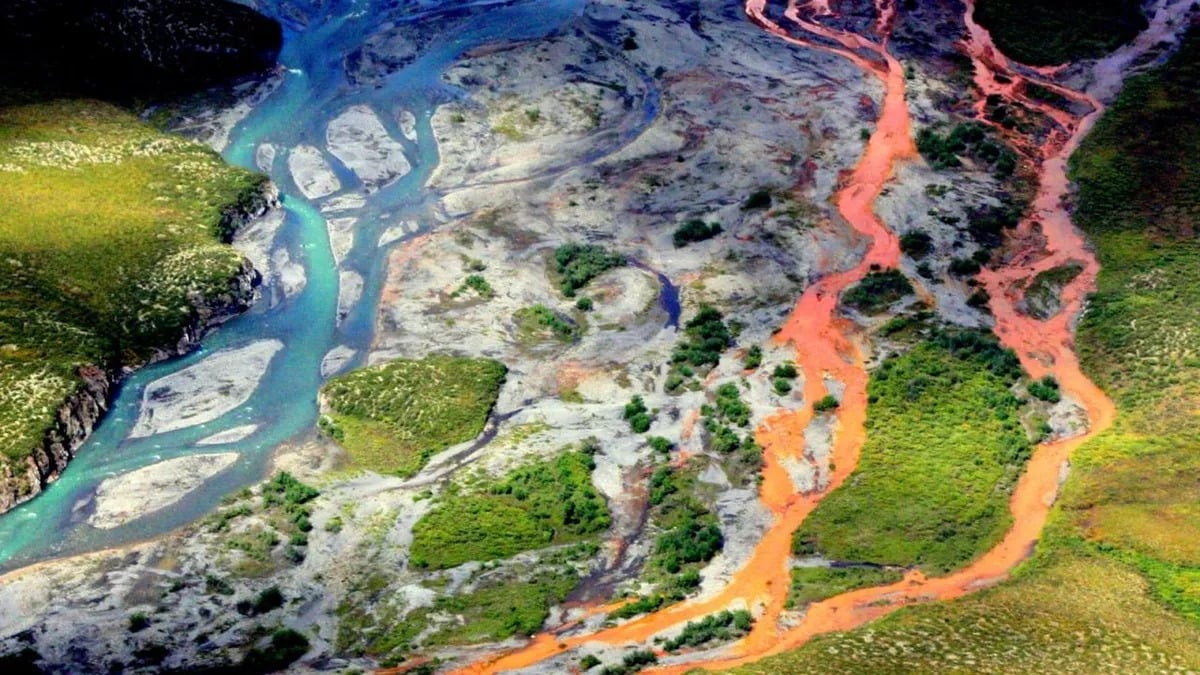
This change in water quality is impacting the local ecosystem. In the most affected parts of the Salmon River, aquatic insect larvae — an important food source for fish — have nearly disappeared. At the same time, metals in the water are making it harder for the fish to breathe and reproduce. These factors have serious consequences for chum salmon, a species vital to the livelihood of local communities. In strong harvest years, the salmon brings in millions of dollars. However, the number of fish has declined sharply in recent years.
"Our findings might help explain a recent crash in chum salmon, a really important subsistence food," Sullivan said.
The damage extends to the land as well. Predators like bears and eagles need to see through the water to hunt. The thick, cloudy orange water makes it hard to see the fish beneath the surface. It is like trying to fish in a bowl of tomato soup.
This study is the first step toward helping plan for a future where the frozen lands of northern Alaska are changing in unexpected ways. The scientists are now carefully tracking which rivers remain clear and which have turned orange. They hope the findings will help local communities protect the rivers that are still healthy.
Resources: arctic.noaa.gov, Space.com, UCR.edu

Get the Workbook for this article!
Workbook contains: Article, Reading Comprehension, Critical Thinking Questions, Vocabulary in Context (+ answers), Multiple Choice Quiz (+ answers), Parts of Speech Quiz (+ answers), Vocabulary Game (+ answers)Cite Article
Learn Keywords in this Article

4 Comments
 milkfanforeverabout 7 hoursOhh. The orange looks Horrible! At least the other rivers are a beautiful colour of blue.
 gimkitloverabout 8 hoursoof to the fish
 peterpan4realabout 11 hoursHope it re melts or something :(
 ilovehenrydsafabout 14 hoursOh no! I hope it goes away soon :(